


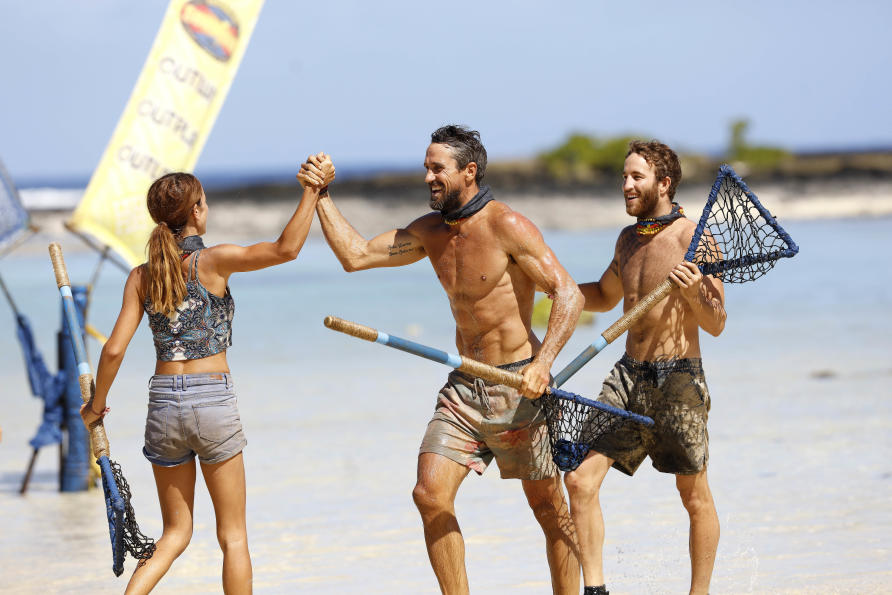
Creating a Survivor-themed party game is a thrilling way to bring the excitement and challenge of the hit reality show “Survivor” into your backyard or living room. Whether you’re hosting a birthday party, a team-building event, or just a fun gathering with friends, these ideas will help you create an unforgettable experience. This article will guide you through various creative game ideas, their rules, and setup instructions to ensure your Survivor party is a hit.
Here is a list of survivor party games you can play. We’ve also added a second section to this article for games specifically for indoor utilizing household items.
1. Tribal Flag Creation
Setup:
To kick off your Survivor party, provide each tribe with materials like fabric, paints, markers, and decorative items. Set up a crafting area with enough space for each tribe to work on their flag design.
Rules:
Each tribe is tasked with creating a flag that represents their team spirit and identity. Allow a set time limit, like 30 minutes, for the tribes to brainstorm and complete their flag. Emphasize creativity, teamwork, and originality in the designs. After the time is up, each tribe presents their flag and explains the symbolism behind their design. A panel of judges (or all participants) votes on the best flag based on creativity, representation of the team, and overall aesthetic appeal. The winning tribe gets a small advantage in the next game, like a head start or a clue.
2. Puzzle Rush
Setup:
Prepare large jigsaw puzzles for each tribe. These puzzles should be challenging but solvable within a reasonable time frame. Set them up on tables or flat surfaces where each tribe can work without interference.
Rules:
At the start signal, each tribe begins to assemble their puzzle. The challenge requires not just individual skill but also effective communication and teamwork as tribe members may see different parts of the puzzle at different times. The first tribe to correctly complete their puzzle wins immunity or a reward. In case no tribe finishes within the time limit, the one with the most pieces correctly placed wins. This game tests both the mental acuity and cooperative skills of the participants.
3. Blindfolded Obstacle Course
Setup:
Create a safe but challenging obstacle course using items like cones, ropes, and soft barriers. The course should include various activities like crawling under ropes, walking along a narrow path, and stepping through hoops.
Rules:
Each tribe selects one member to be blindfolded and navigated through the course by verbal instructions from their teammates. The rest of the tribe is positioned around the course to guide their blindfolded member. Physical contact is not allowed; only verbal cues can be used. The tribe whose member completes the course in the shortest time, without touching any obstacles, wins. This game tests trust, communication, and teamwork.
4. Tug of War
Setup:
Find a flat, open area and mark a center line on the ground. Use a long, sturdy rope and ensure all participants are wearing appropriate footwear to prevent slipping.
Rules:
Classic tug of war rules apply. Each tribe lines up on either side of the rope, with the strongest members usually at the back for added pulling power. At the signal, both tribes pull on the rope, attempting to drag the other team across the center line. The game requires not just brute strength but also strategy in positioning and timing of pulls. The first team to pull the majority of the opposing team across the center line wins. This physical challenge fosters team spirit and strength.
5. Memory Challenge
Setup:
Arrange various objects on a table and cover them with a cloth. These items can range from common household items to more unusual or themed objects. Allow tribes to view the items briefly before covering them again.
Rules:
After a viewing period (like 30 seconds), each tribe is given a set amount of time to list as many items as they can remember. The tribe that recalls the most items accurately wins. To increase the challenge, include more items or reduce the viewing time. This game tests observation skills and memory, requiring tribes to pay close attention and work together to remember as many items as possible.
6. Balancing Act
Setup:
Arrange a series of balance beams at varying heights (ensure they are safe and not too high). You can use wooden planks or beams supported by stable blocks.
Rules:
One member from each tribe must walk across the balance beams as quickly as possible without falling off. If a participant falls, they must return to the start and begin again. The tribe that completes the course in the shortest time wins. This game tests balance, concentration, and physical agility.
7. Trivia Challenge
Setup:
Prepare a series of trivia questions related to survival skills, nature, or even facts about the “Survivor” TV show. Ensure there are various difficulty levels.
Rules:
Tribes take turns answering questions. Each correct answer earns points, while incorrect answers could lead to minor penalties, like a time delay in the next physical challenge. The tribe with the most points at the end of the round wins. This game tests the tribes’ knowledge and strategic thinking.
8. Water Relay Race
Setup:
Set up a course with buckets of water at one end and empty containers at the other. Each tribe gets a sponge or a small cup.
Rules:
Tribe members must transport water from the bucket to the container using only the provided sponge or cup. The first tribe to fill their container to a marked line wins. This game tests teamwork, coordination, and speed.
9. Target Throw
Setup:
Create targets using cardboard or wood, and provide bean bags or small balls for throwing.
Rules:
Each tribe member takes turns throwing at the targets from a designated line. Points are awarded based on which part of the target is hit. The tribe with the most points after everyone has had a turn wins. This game requires precision and skill.
10. Build and Protect Your Totem
Setup:
Provide building materials like sticks, stones, and ropes. Each tribe builds a totem structure.
Rules:
Once the totems are built, each tribe tries to knock down others’ totems using soft balls while protecting their own. The last standing totem wins. This game tests creativity in building and strategic defense skills.
11. Blind Taste Test
Setup:
Prepare various edible items with distinct flavors, some pleasant and some unusual.
Rules:
Blindfolded tribe members must taste and correctly identify the items. Points are awarded for correct guesses. This game tests sensory perception and can be a fun way to introduce a bit of culinary adventure.
12. Scavenger Hunt
Setup:
Hide various items around the playing area with clues leading to each one.
Rules:
Tribes must find as many items as possible within a time limit. Each item found earns points, with some items being worth more than others. This game requires keen observation, problem-solving, and speed.
13. Tribal Storytelling
Setup:
No physical setup required, just a comfortable sitting area.
Rules:
Each tribe creates and performs a short story or skit. These can be based on survival themes, fictional adventures, or even humorous takes on the “Survivor” show. Judges or all participants vote on the best performance based on creativity, delivery, and entertainment value.
14. Fire-Making Challenge
Setup:
Set up safe fire-making stations with flint and steel, tinder, and kindling. Ensure this is done in a controlled environment and have safety equipment on hand.
Rules:
Each tribe selects a member to start a fire using only the provided materials. The first to build a sustainable fire that burns through a piece of string wins. This game tests survival skills and patience.
15. Capture the Flag
Setup:
Designate two areas as tribe bases and place a flag in each.
Rules:
The objective is to capture the opposing tribe’s flag and bring it back to your base without being tagged. If tagged, the player must freeze until freed by a teammate. The first tribe to capture the other’s flag wins. This game is a test of strategy, speed, and teamwork.
These Survivor-themed party games are designed to be fun, challenging, and engaging, ensuring that your event is a memorable adventure for all participants.
Indoor Friendly Challenges
1. Indoor Obstacle Course
Setup:
Transform your living room into a mini obstacle course using household items. Arrange pillows and cushions on the floor as stepping stones, chairs to crawl under or weave through, and blankets draped between furniture to create low barriers. Ensure the setup is safe and won’t cause any damage.
Rules:
Participants must navigate the course, stepping only on the pillows (the floor is lava or water), crawling under chairs, and maneuvering around or through other obstacles. Time each player, or have teams race in a relay format. This game tests agility and speed, and it’s great for all ages.
2. Blindfolded Drawing Challenge
Setup:
Provide blindfolds, paper, and pens or markers. Prepare a list of items for participants to draw that are related to the Survivor theme, like a campfire, a palm tree, or a tribal flag.
Rules:
In this challenge, one team member is blindfolded and given something to draw based on their team’s descriptions. The catch is that the team can only use verbal instructions, no gestures. After a set time, the blindfolded player reveals their drawing, and an impartial judge or opposing team rates the drawing based on accuracy. This game tests communication skills and provides plenty of laughs.
3. Memory Match
Setup:
Create or print pairs of cards with survival-themed images or symbols from the Survivor show. Lay them out face down in a grid on a table or the floor.
Rules:
Players take turns flipping over two cards at a time, trying to find matching pairs. When a player finds a match, they keep the pair and get another turn. If they don’t find a match, the cards are flipped back over, and the next player takes their turn. The game continues until all pairs are found. The player or team with the most pairs at the end wins. This game tests memory and concentration, and it’s suitable for players of all ages.
4. Tribal Trivia Quiz
Setup:
Prepare a list of trivia questions related to survival, nature, or the “Survivor” TV show. Use a computer or print the questions for easy reading.
Rules:
Divide players into tribes and ask them the trivia questions. You can make it more challenging by setting a time limit for each answer. Award points for each correct answer. To add a twist, include physical challenges (like doing ten jumping jacks) for wrong answers. The tribe with the most points at the end of the quiz wins. This game combines mental and physical challenges and works well for a mixed-age group.
5. The Floor is Lava
Setup:
Use pillows, cushions, and furniture as safe zones spread across the floor.
Rules:
Players must move across the room without touching the floor, using only the pillows and furniture. Add complexity by rearranging the safe zones, making some smaller or further apart. Time each player or have teams race against each other. If a player touches the floor (the lava), they must start over or incur a time penalty. This game is great for physical activity and brings a lot of excitement and laughter.
6. Puzzle Race
Setup:
Use printables to create puzzles or use existing jigsaw puzzles. Each team gets a puzzle with an equal number of pieces.
Rules:
Teams race against each other to complete their puzzle first. To increase the challenge, blindfold one member who must be guided verbally by their teammates. This game tests problem-solving skills and teamwork under pressure.
7. Survivor Charades
Setup:
Write down Survivor-themed actions or objects on slips of paper. Place them in a bowl or hat.
Rules:
Players take turns drawing a slip and acting out the word or phrase without speaking. Their team must guess what they are acting out within a time limit. This classic game brings a lot of laughter and tests the teams’ creativity and guessing skills.
8. Build a Shelter
Setup:
Provide materials like blankets, pillows, and chairs.
Rules:
Teams compete to build the best indoor ‘shelter’ using only the provided materials. Set a time limit, and after time’s up, judge the shelters based on creativity, stability, and design. This activity encourages creativity and teamwork.
9. Tribal Council Debate
Setup:
Set up a ‘Tribal Council’ area in a room with chairs arranged in a circle.
Rules:
Host a debate on a fun and light-hearted topic related to survival or the Survivor show. Each tribe presents their arguments, and an impartial judge or the other participants vote on the winner based on the strength of their arguments and presentation skills. This game tests public speaking and persuasion skills.
10. Survivor Bingo
Create bingo cards with Survivor-themed items, actions, or show references. You can make these yourself or find printable versions online. Each player gets a different bingo card.
Rules:
Call out items or actions one by one from a predetermined list. Players mark off these items on their cards. The first player to get five in a row horizontally, vertically, or diagonally shouts “Bingo!” and wins. To add a Survivor twist, include some challenges or mini-games that players must complete when certain key items are called. This game is great for all ages and can be played at a relaxed pace, perfect for a break between more active games.
11. Balance Beam
Setup:
Use a sturdy broomstick or a long piece of wood placed low to the ground, supported on each end by books or blocks.
Rules:
Players take turns walking across the makeshift balance beam without falling off. To increase difficulty, add challenges like balancing a book on their head or holding a cup of water without spilling it. Timing each player or adding a relay element for teams can increase competitiveness. This game tests balance and focus.
12. Guess the Item
Setup:
Gather various household items related to survival or camping, and place them in a bag or box.
Rules:
Blindfolded players reach into the bag and try to guess the items by touch. Each correct guess earns a point for their tribe. To make it more challenging, set a time limit for each guess. This sensory game is entertaining and tests players’ knowledge and sense of touch.
13. Survivor Pictionary
Setup:
Create cards with things related to survival or the Survivor TV show. You’ll need a whiteboard or large paper pad and markers.
Rules:
Players take turns drawing the item on the card while their team guesses what it is. Set a time limit for each turn. The team with the most correct guesses wins. This game is a fun test of drawing skills and team communication.
14. Survivor Simon Says
Setup:
No special setup required, just enough room for players to move around.
Rules:
One person is ‘Simon’ and gives commands starting with “Simon says…” Players must only follow the command if it starts with “Simon says.” Anyone who follows a command without “Simon says” is out. The last person standing wins. Include Survivor-themed actions like “Simon says build a fire” or “Simon says fish for food.” This game tests attentiveness and reaction time.
15. Treasure Hunt
Setup:
Hide small items or ‘treasures’ around the house and create a map or a series of clues leading to them.
Rules:
Divide players into teams and give them the first clue or map. Teams must solve the clues and find the treasures. The first team to find all the items or the team with the most items found when time runs out wins. This game encourages teamwork, problem-solving, and a bit of adventure within the confines of your home.